
How Waco Renovation Contractors Are Transforming Aging Properties into Modern Offices?
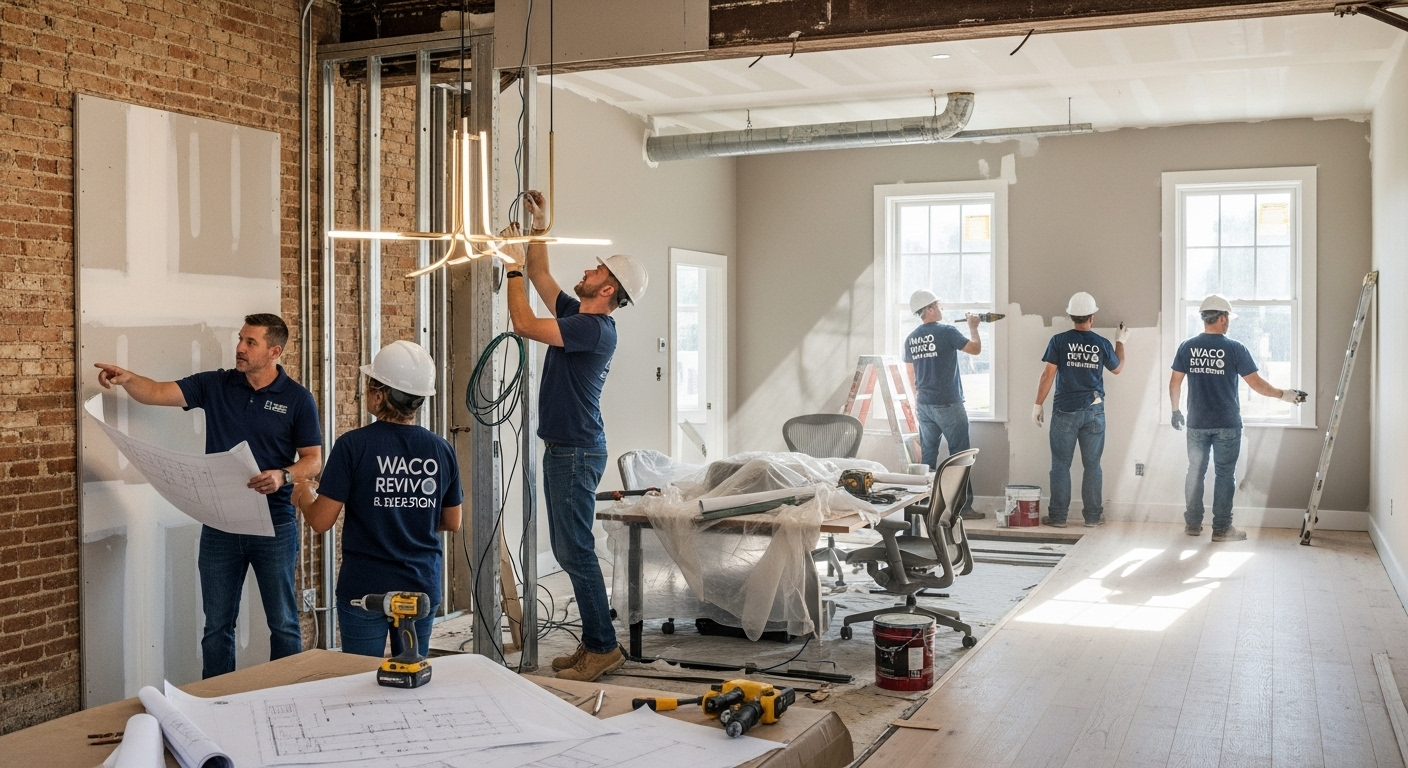
Across Central Texas, older commercial buildings are being reimagined as efficient, tenant-ready offices, without losing the character that makes them stand out. In 2026, construction companies in Waco, Texas, are approaching these renovations with a timeline-first mindset, aligning scope, documentation, and coordination early so fewer surprises appear mid-project.
This article explains the practical ways contractors transform aging properties into modern workplaces while keeping schedules predictable, from early site verification to phased work plans and streamlined approvals.
Why Do Older Buildings Work?
The conversion of an older building into an office building can be an adaptive reuse project. Adaptive reuse is popular as it minimizes waste and resource consumption (a lesser degree of demolition, a smaller number of new materials) and retains the character that can make a space seem special.
The practical win, which is speed, can be important to many owners: when the structure is already available, teams do not have to build everything directly, but can work on improvements, which can help support the overall project schedules in the correct environment.
What Does Modern Office Mean in 2026?
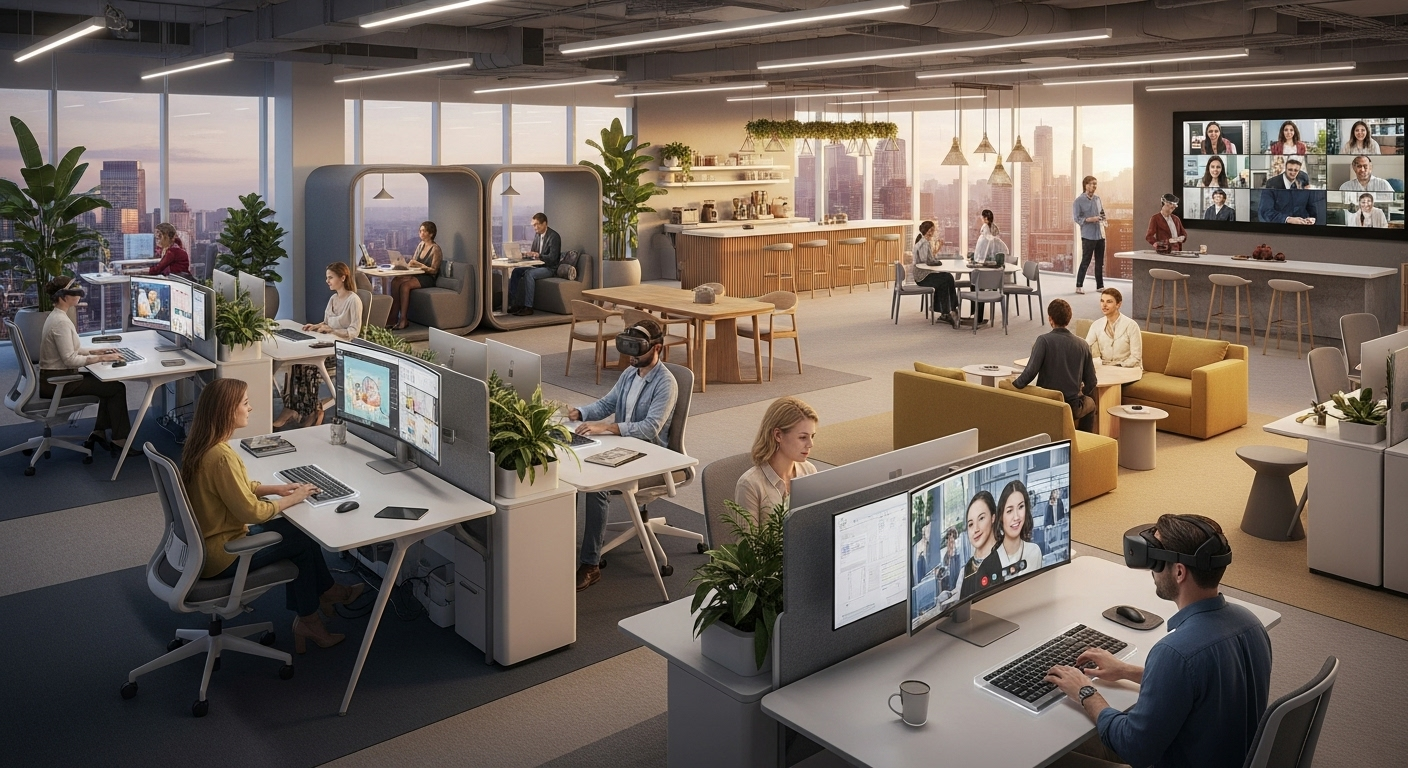
Before a commercial building contractor in Waco touches the building, the owner and design team typically define what "modern" should look like for that tenant and location. Many adaptive reuse office projects prioritize:
Better indoor comfort.
Energy and lighting upgrades aligned with current standards to reduce operating costs.
Flexible layouts using demountable partitions.
Smarter IT planning
The most successful renovations keep these decisions specific, because vague goals ("make it open" or "make it nicer") are a common cause of mid-project changes that push completion dates.
How Timelines Are Protected?
If there's one consistent pattern in successful renovations, it's that schedule protection happens up front, not "on the fly." That's where construction companies in Waco, Texas are putting their effort, by reducing unknowns and controlling change orders that disrupt sequencing.
Scan-to-BIM & Clash Detection
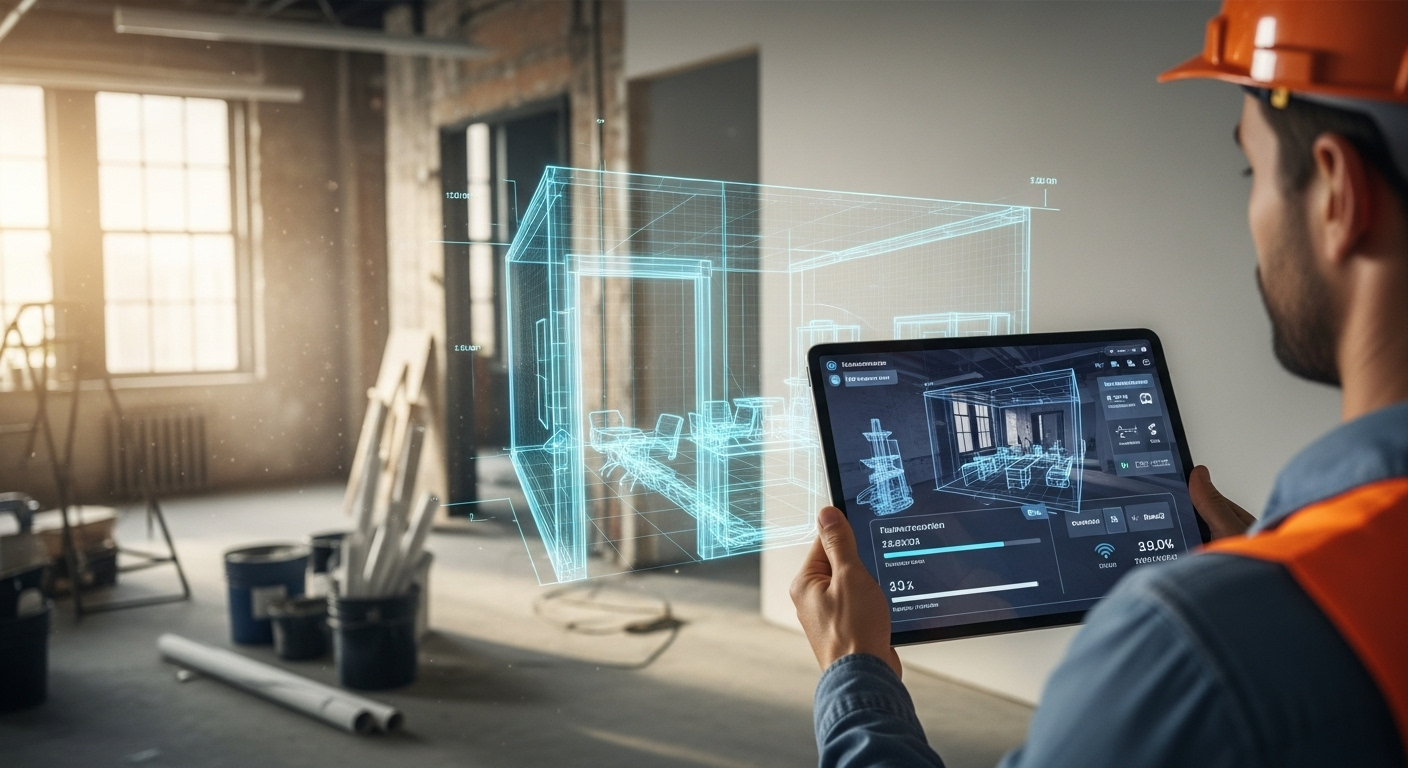
Old buildings do not always resemble old drawings. Therefore, the construction companies often rely on 3D laser scanning and Building Information Modeling (BIM) as the means of defining the reality in which the building was built. In cases where clash detection is performed early (structural, architectural and MEP systems), the teams can solve the conflict prior to starting the construction, ensuring that fewer RFIs, redesign, and rework delays occur.
Energy-Code & Permit Readiness
Modern office conversions often trigger energy upgrades, and energy compliance planning is a known schedule risk if it's treated as an afterthought. Texas energy-code compliance is commonly verified through the permit process (plans are reviewed, inspections occur, and then a certificate of occupancy is issued).
Phased Work that Keeps Spaces Usable
Office renovations often happen while parts of a building remain occupied or while a landlord is trying to lease adjacent areas. Phasing (floor-by-floor or wing-by-wing) is how many Waco commercial building contractors keep projects moving without shutting everything down. Phased schedules work best when teams lock down access routes, noise/dust control, and after-hours work windows early.
Faster Procurement Decisions
Renovation schedules are often late because of "decision lag," particularly in long-lead products such as HVAC units, switchgear, storefront glazing, specialty doors and flooring. A robust preconstruction period will involve creating a procurement calendar in line with the schedule, and hence, approvals will be handled before they turn into emergencies.
The Renovation Workflow (Step-by-Step)
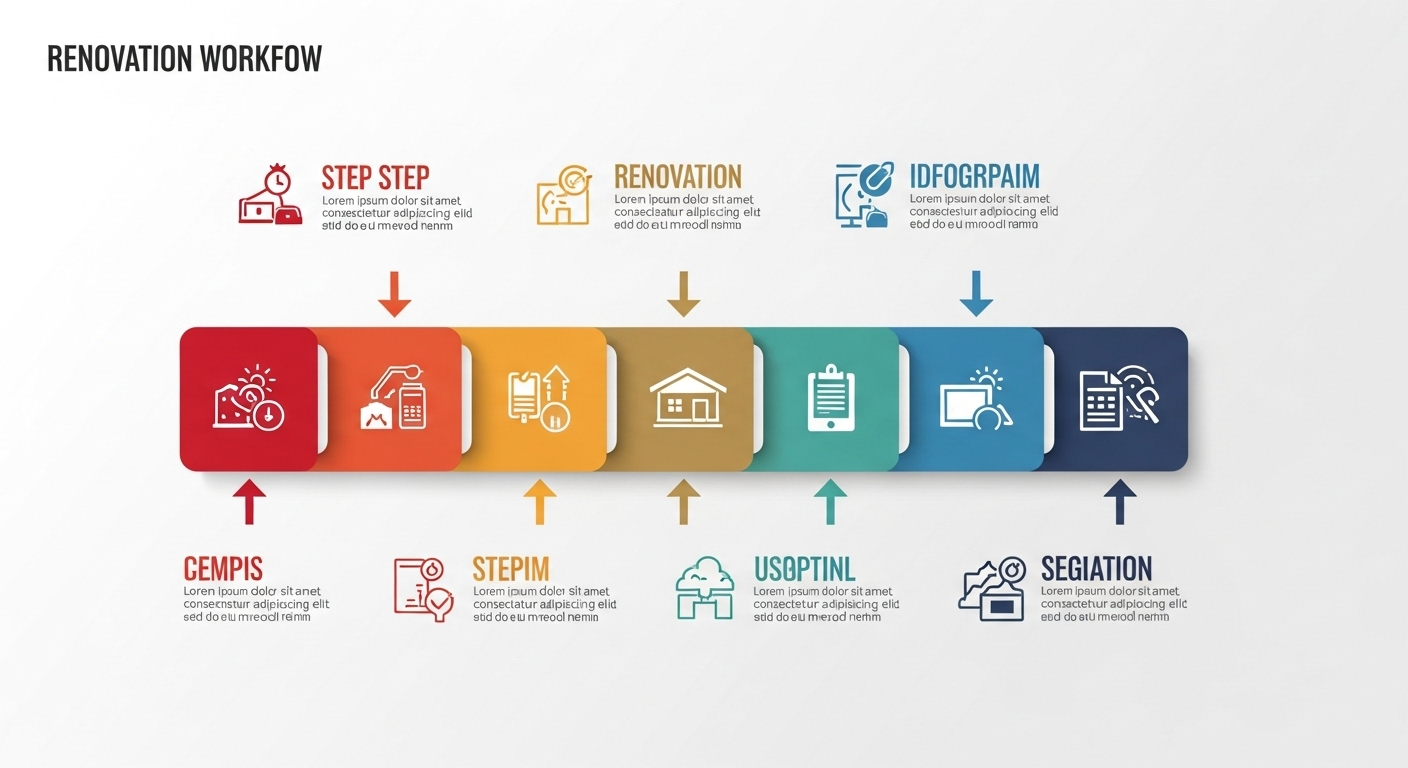
Use this practical sequence to understand how a remodeling contractor in Waco, TX, typically converts an aging property into a modern office while defending the completion date.
Step-by-Step Timeline Plan
Discovery & Feasibility (2–6 weeks): Walkthroughs, initial code review, and early budget range to confirm the project is viable.
As-Built Documentation (1–3 weeks): Field verification and, when needed, 3D scanning to reduce unknown conditions.
Concept + scope lock (2–6 weeks): Finalize layout, occupancy needs, and "must-haves vs. nice-to-haves" to reduce later changes.
Design development & Coordination (4–10 weeks): Mechanical, electrical and plumbing coordination and clash detection to prevent rework.
Permitting & Energy Compliance: Submit plans early; reduce re-submittals by addressing energy-code requirements during design.
Procurement (Overlaps): Order long-lead items as soon as specs are approved.
Construction & Quality Checks: Run weekly look-aheads, maintain punchlists continuously, and avoid "end-loaded" quality checks.
Commissioning & Closeout: Test building systems and complete inspections for certificate of occupancy.
Final Words
For a long time, it seemed like a building made from scratch was the best option to ensure proper safety and personalization based on your preference. However, nowadays, reimaging an older office space and transforming it into a new one is quickly coming to the fore as the way to go. By renovating old office spaces, you can ensure that the cost, time and material wastage is as limited as it can be.
If you are looking for a construction company in Waco, TX, to transform your old office space into a new one, check out Limelight Construction for all your general contracting and construction services in Waco needs.
FAQs
What is adaptive reuse in office renovation?
Adaptive reuse is the repurposing of an existing building for a new function, such as converting an older property into modern office space. It's often associated with sustainability benefits like reduced waste and less demand for new materials compared with demolition and new construction.
Why do office renovations run late most often?
They commonly run late due to unknown existing conditions (hidden structural/MEP issues), late design changes, and long-lead material decisions that slip past key schedule milestones. Early coordination and verifying "as-built" conditions help reduce these surprises.
How does 3D scanning help office renovation timelines?
3D laser scanning captures accurate existing conditions, so design and construction teams can coordinate new work around what's actually in the building. When paired with BIM clash detection, conflicts can be resolved before construction starts, which reduces rework and schedule delays.
Do Texas energy codes affect commercial renovation schedules?
Yes, energy compliance planning can affect the timeline because it ties into plan review, inspections, and ultimately the certificate of occupancy.
What's the fastest way to keep a renovation on schedule?
Lock the scope early, document existing conditions thoroughly, coordinate MEP conflicts before mobilization, and map procurement approvals to the schedule so long-lead items don't stall the critical path. Consistent inspection readiness also helps prevent late-stage delays
